Cultural Trends and Social Movements
Introduction
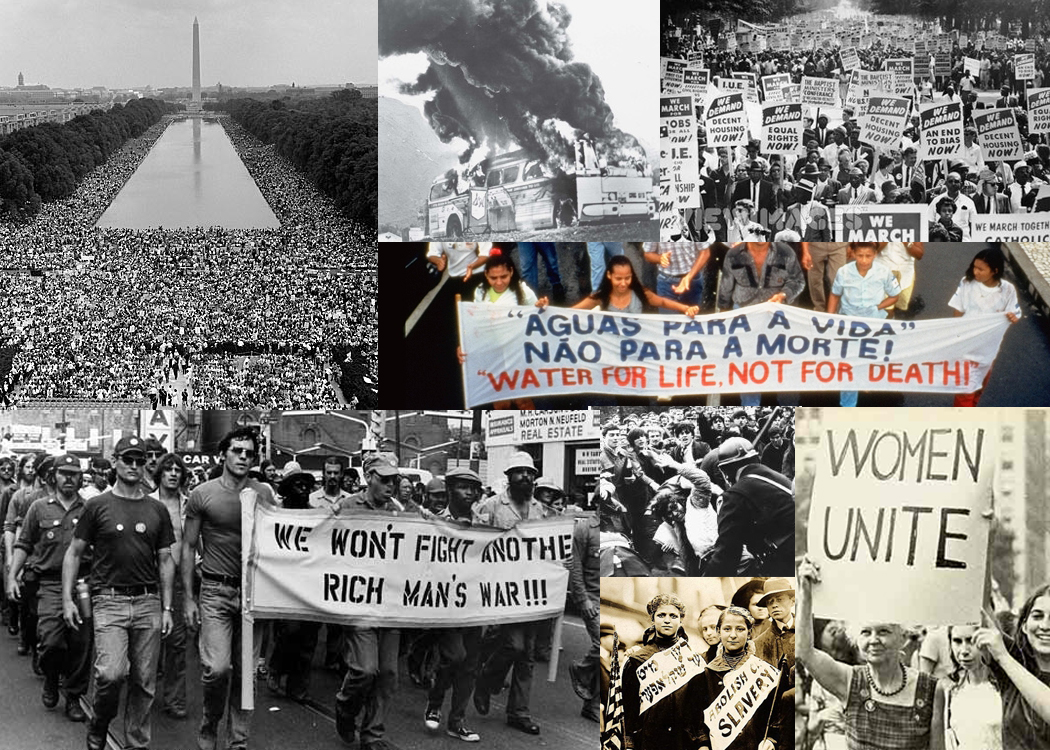
In 2024, cultural trends and social movements continue to reshape societies worldwide, driven by technological advances, shifting demographics, and evolving values. This article explores some of the most impactful cultural trends and social movements of the year, highlighting their significance and implications for global communities.
1. Digital Identity and Self-Expression
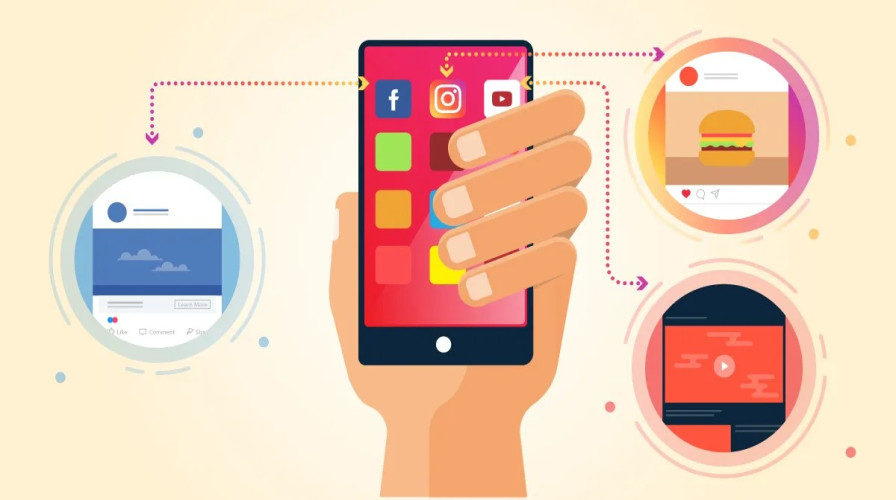
The rapid advancement of digital technology has given rise to new forms of self-expression and identity formation. Social media platforms, virtual realities, and AI-driven personalization tools are enabling individuals to craft and project diverse digital personas. This trend is reflected in the rise of virtual influencers, digital art, and personalized online experiences.
Impact: These digital identities challenge traditional notions of privacy and authenticity, prompting discussions about the implications for mental health and social interactions. There is an increasing need for digital literacy and responsible online behavior.
2. Climate Activism and Environmental Justice
The urgency of climate change has amplified environmental activism, with movements like Fridays for Future, Extinction Rebellion, and local grassroots initiatives gaining momentum. In 2024, climate activists are focusing on intersectional environmental justice, addressing how climate issues disproportionately affect marginalized communities.
Impact: This trend is influencing policy changes, corporate practices, and individual behaviors. Activists are advocating for more sustainable practices, increased transparency, and equitable solutions to environmental challenges.
3. Gender and LGBTQ+ Rights
Gender and LGBTQ+ rights continue to be prominent in social discourse. The ongoing fight for gender equality includes discussions on pay equity, reproductive rights, and combating gender-based violence. LGBTQ+ rights movements are addressing issues such as legal recognition of non-binary identities, anti-discrimination protections, and healthcare access.
Impact: These movements are driving legislative changes, corporate policies, and cultural shifts toward greater inclusivity. However, challenges remain, including resistance in some regions and the need for continued advocacy and education.
4. Mental Health Awareness
Mental health has become a central focus in cultural conversations, with increased efforts to destigmatize mental health issues and improve access to care. The normalization of discussing mental health challenges, supported by high-profile advocates and media coverage, is leading to a greater understanding of mental well-being.
Impact: This trend is fostering more supportive environments in workplaces, schools, and communities. It is also prompting changes in healthcare systems to better address mental health needs and promote holistic well-being.
5. Cultural Representation and Diversity
There is a growing emphasis on diverse representation in media, arts, and leadership positions. The push for greater inclusivity encompasses racial, ethnic, and cultural diversity, with a focus on amplifying underrepresented voices and stories.
Impact: This trend is leading to more varied and authentic portrayals in entertainment and media, as well as increased opportunities for individuals from diverse backgrounds. It also challenges existing power structures and encourages broader societal reflection on inclusion and equity.
6. Anti-Globalization and Localism
In response to globalization's perceived downsides, there is a rise in localism, with communities emphasizing local production, sustainability, and cultural preservation. This trend reflects a desire to counterbalance the homogenizing effects of global economic and cultural forces.
Impact: Localism is influencing consumer behavior, economic policies, and cultural practices. It promotes the support of local businesses and the preservation of unique cultural traditions, while also sparking debates about the balance between local interests and global interconnectedness.
7. Digital Nomadism and Remote Work
The rise of digital nomadism and remote work has transformed traditional notions of work and lifestyle. The flexibility to work from various locations has led to new ways of living and working, fostering a culture of mobility and work-life integration.
Impact: This trend is reshaping urban planning, work culture, and economic models. It also raises questions about work-related benefits, legal implications, and the social implications of a more transient workforce.
8. Reimagining Education
Education is undergoing significant changes, driven by advancements in technology and evolving societal needs. There is a growing emphasis on personalized learning, digital education tools, and alternative education models, including hybrid and online formats.
Impact: These changes are expanding access to education and transforming traditional classroom settings. They also prompt discussions about the future of education, including the role of technology and the need for educational equity.
Conclusion
The cultural trends and social movements of 2024 reflect a dynamic and evolving global landscape. As societies navigate these changes, the interplay between technology, values, and activism will continue to shape the future. Understanding these trends provides insight into the challenges and opportunities that lie ahead, influencing everything from personal identity to global policy.
Related Tag :